Escrow Guides7 min readUpdated July 2026

Escrow for Luxury Watches

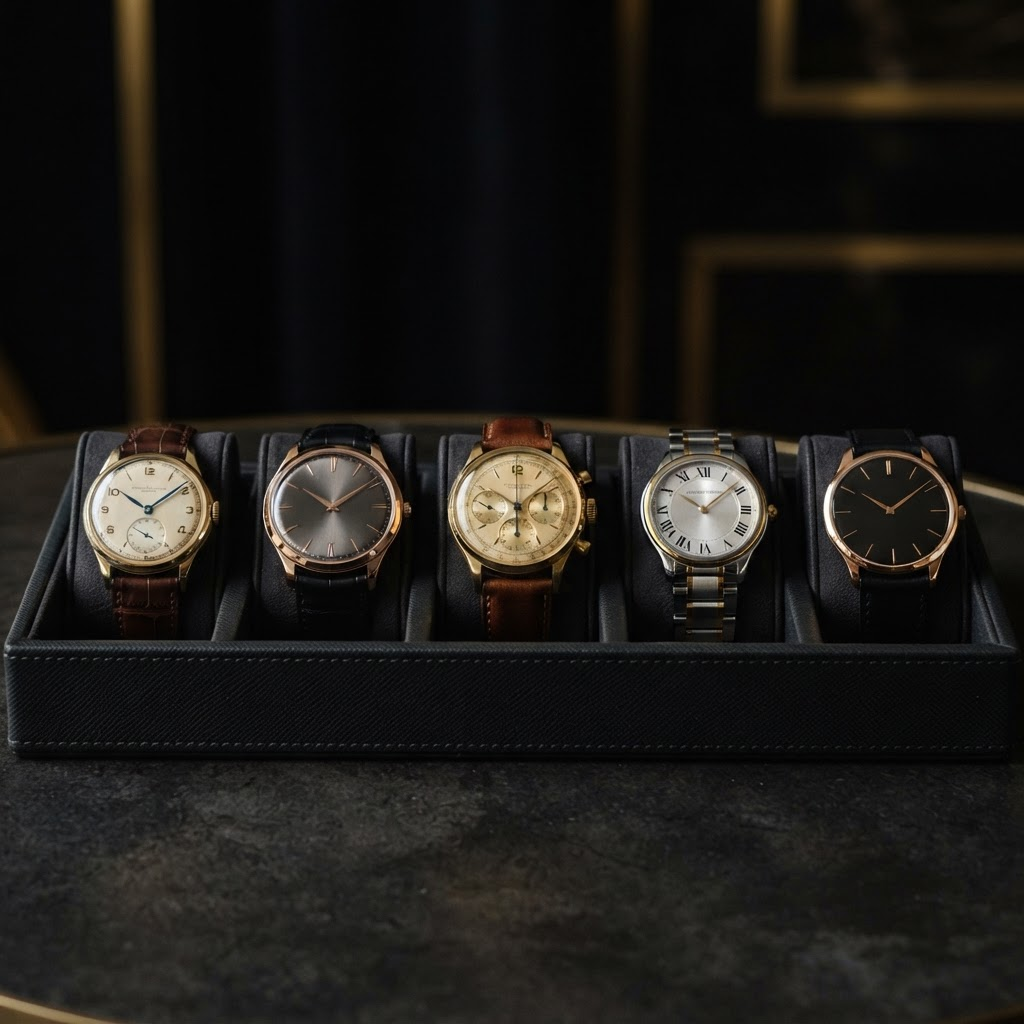
A collection of luxury watches arranged on a dark leather surface

The luxury watch market moves billions between private parties every year, much of it online and across borders. Where the pieces are small, valuable and easy to counterfeit, trust cannot be assumed — it has to be structured.

Escrow gives both sides of a watch deal a neutral hold on the money and a defined window to authenticate before release. This guide explains how it works and why serious collectors and dealers rely on it.

Why watches need escrow

A luxury watch combines everything fraud loves: high value, portability, a deep counterfeit industry and an eager global market. A buyer wiring five or six figures to a stranger has almost no recourse if the watch never arrives — or arrives fake.

The escrow process for watches

Funding

The buyer deposits the agreed amount into a segregated escrow account. The seller sees funds are secured before parting with the watch.

Authentication window

After delivery, the buyer has a defined period to verify authenticity — in person or via an independent watchmaker — before approving release.

Release

Once authenticity and condition are confirmed, funds release to the seller and the deal closes with a full record.

Brands most exposed to fraud

  • Rolex — the most counterfeited luxury watch brand in the world
  • Patek Philippe — high values make even small fraud lucrative
  • Audemars Piguet — Royal Oak demand fuels fakes
  • Richard Mille — extreme values attract sophisticated forgery

Protecting the seller too

Escrow is not only buyer protection. Sellers are shielded from chargeback fraud and "item not received" claims, because release is based on agreed, documented conditions rather than a reversible payment.
Move your next deal into escrow.

Open a protected transaction and invite the other party in minutes. Funds are only released when both sides are satisfied.

Start a secure transaction

Frequently asked questions

Escrow provides the inspection window during which you authenticate the watch yourself or via an independent expert. Release only happens once you approve, so authentication happens before the seller is paid.

Any high-value timepiece — most commonly Rolex, Patek Philippe, Audemars Piguet and Richard Mille, but escrow works for any watch where the amount justifies protecting the payment.

The seller is protected from chargebacks and false non-delivery claims. Because funds are secured before shipping and released on agreed conditions, they cannot be clawed back after a legitimate delivery.